Glutathione tablets have become more popular for people wanting brighter, more radiant skin. If you are dealing with dark spots or uneven pigmentation, you might be interested in these supplements that claim to improve your complexion. For instance, products like Glowboost Effervescent Tablets contain 600 mg of Liposomal Glutathione, which is specifically designed to reduce spots and enhance skin radiance.
We have seen a significant trend in the market for glutathione tablets focused on skin whitening, with many brands now offering these supplements. This growth makes sense, given glutathione’s ability to regulate melanin production, which helps decrease pigmentation and promote a brighter complexion. Moreover, the combination of ingredients like N-acetylcysteine (NAC), Vitamin C, and Glutathione works together to lower oxidative stress and fight free radicals, which are key in keeping your skin youthful and vibrant.
What is Glutathione and Why It Matters
The strength behind these well-known skin-brightening supplements comes from a remarkable molecule that our bodies already produce. Glutathione is a tripeptide, a small protein made from three amino acids (cysteine, glycine, and glutamic acid), found naturally in every cell. Unlike most antioxidants that come from food, glutathione is mainly made in our liver.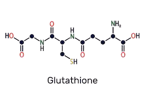
Glutathione functions as your body’s primary antioxidant. It exists in very high amounts within your cells—up to 1,000 times more than in your blood—which underscores its importance for cell health.
There are two forms of glutathione:
• GSH (reduced form) – protects your cells
• GSSG (oxidized form) – indicates how much stress your cells are experiencing
The more GSH you have, the better your cells can manage stress and damage.
Glutathione does much more than help your skin:
• It fights harmful molecules (free radicals)
• It detoxifies your body by removing heavy metals and toxins
• It boosts other antioxidants like vitamins C and E
• It supports your immune system
• It aids in cell growth and even DNA repair
When you are young and healthy, over 90% of your glutathione is in the beneficial GSH form. However, as you age—especially after 45—your levels decline, and your body produces only one-third as much.
This decrease leads to more stress and damage to your cells.
That is why people are discussing glutathione in health and beauty circles.
Low glutathione levels have been linked to serious health issues like memory loss, heart disease, diabetes, and even cancer. For skincare fans, it’s popular because it can lower melanin levels, which helps lighten dark spots and even out skin tone, which is a major reason why glutathione supplements are trending for skin whitening.
Glutathione’s uniqueness lies in its concentration in your cells, with millimolar levels that can be up to 1000 times higher than in your bloodstream. This abundance underscores its crucial role in your cellular health. Additionally, glutathione exists in two forms: reduced (GSH) and oxidized (GSSG), with the ratio between them serving as a key indicator of oxidative stress within the cell.
The roles of glutathione extend far beyond skin benefits:
• It neutralizes harmful free radicals and reactive oxygen species
• It detoxifies foreign substances and heavy metals
• It regenerates other antioxidants like vitamins C and E
• It regulates immune responses and cell growth
• It supports protein folding and DNA synthesis
Notably, healthy cells keep over 90% of their glutathione in the reduced form (GSH), creating an ideal environment for cellular protection. However, this balance changes drastically with age—studies show glutathione levels significantly drop after age 45, leading to increased oxidative stress.
This age-related decline explains the growing interest in glutathione in wellness and beauty. Research shows that elderly individuals have markedly lower glutathione concentrations (1.12 mmol/L) compared to younger people (2.08 mmol/L). Moreover, elderly adults show significantly reduced glutathione synthesis rates, producing only about 32% of what younger individuals generate.
The link between glutathione deficiency and various health issues is striking. Low levels have been associated with neurodegenerative disorders, heart problems, diabetes, and cancer. Meanwhile, for those interested in skincare, glutathione’s ability to manage melanin production makes it particularly valuable for treating pigmentation issues, which explains the rising popularity of glutathione tablets for skin whitening.
How Glutathione Tablets Work in the Body
When taken in regular tablet form, glutathione faces a significant hurdle—it breaks down in your digestive system before it can reach your bloodstream. Studies indicate that conventional oral glutathione has poor bioavailability, reducing its effectiveness. This is why manufacturers have created new delivery methods to solve this issue.
Thanks to better absorption technologies, glutathione supplements are now more effective than in the past. Sublingual formulations bypass digestive breakdown; research shows they are superior to standard oral supplements.
Another method is orobuccal absorption, where glutathione is absorbed directly through the tissues inside your mouth. This approach can achieve about 55% absorption in just 10 minutes and around 70% within 30 minutes.
Another powerful option is liposomal technology. This involves encasing glutathione in tiny fat-based bubbles, which protect it and help your body absorb over 80%—a significant increase from the 20% absorption rate seen with regular tablets.
Once glutathione enters your bloodstream, it aids in lightening your skin in several ways:
• It blocks an enzyme called tyrosinase, which your body uses to create melanin. It does this by interfering with the copper that the enzyme needs to function.
• It also prevents that enzyme from moving to areas where melanin is produced.
• Additionally, it alters the type of melanin your body creates—from the darker kind (eumelanin) to the lighter kind (pheomelanin).
Research has shown that taking 500 mg daily for a few weeks can lighten the skin and reduce dark spots, particularly in areas exposed to the sun. Another study found that oral glutathione (500mg daily for 8 weeks) significantly reduced the melanin index in both sun-exposed and sun-protected areas.
Beyond skin effects, glutathione tablets benefit various body systems. They enhance immune function since optimal glutathione levels are vital for lymphocyte activity. They also support liver detoxification processes, aiding in the elimination of toxins and heavy metals. Plus, glutathione regenerates other important antioxidants, including vitamins C and E.
Despite these benefits, dosage is crucial—studies typically recommend 250-500mg daily, with higher amounts often showing more significant effects, especially in individuals over 40.
Benefits of Glutathione Tablets for Skin and Health
Research indicates that glutathione tablets provide remarkable benefits for both skin appearance and overall health. Clinical studies demonstrate that taking glutathione orally can significantly reduce melanin indices in sun-exposed areas, resulting in visibly brighter skin.
Skin Benefits
Daily use of glutathione tablets actively combats pigmentation issues through multiple pathways. First, they inhibit tyrosinase activity, which reduces the melanin production that causes dark spots and uneven tone. Beyond just lightening, glutathione promotes healthier skin by shifting melanin production from darker eumelanin to lighter pheomelanin.
For aging concerns, glutathione tablets offer considerable advantages. After taking 250mg daily for 12 weeks, participants saw a significant decrease in wrinkles compared to placebo groups. Moreover, studies show that glutathione supplementation improves skin elasticity and firmness, with 85% of users noticing reduced pigmentation and a radiant glow in just 8 weeks.
Glutathione tablets also shield your skin from environmental damage. As a master antioxidant, glutathione neutralizes harmful free radicals from UV exposure and pollution, ultimately preventing premature aging and preserving a youthful look.
Health Benefits
The perks of glutathione tablets go well beyond cosmetic improvements. Clinical research indicates that glutathione supplementation has shown promising results for liver health, with notable advancements in liver function markers among patients with nonalcoholic fatty liver disease.
In addition, glutathione bolsters immune function by supporting T-cell growth and activity, enhancing your body’s protection against infections and pathogens. For those dealing with chronic fatigue, glutathione tablets can help elevate energy levels by protecting mitochondria from oxidative stress and ensuring proper ATP production.
Studies further suggest that glutathione may protect against neurodegenerative conditions. Its powerful antioxidant properties combat oxidative stress throughout the body, possibly lowering risks associated with aging and chronic illness.
While individual results vary based on factors like diet, lifestyle, and stress levels, most people notice significant improvements after 8-12 weeks of consistent use.
Conclusion
Research shows that glutathione tablets can be beneficial for both your skin and your overall health. While they first gained popularity for skin whitening, they actually provide much more. They work through various mechanisms—like blocking an enzyme called tyrosinase, which affects skin color, changing how your body produces melanin, and protecting your cells from damage caused by pollution and stress. As a result, many people see brighter skin, improved skin elasticity, fewer wrinkles, and increased protection against elements that age or harm the skin.
Most importantly, glutathione’s advantages extend far beyond cosmetic improvements. Studies indicate its potential for supporting liver function, enhancing immune response, boosting energy levels, and possibly offering protection against neurodegenerative conditions. However, bioavailability remains a critical factor for effectiveness. This is why newer delivery systems, such as sublingual or liposomal formulations, often yield better results than standard tablets.
Before starting any supplementation, it’s vital to understand your specific needs. The typical dosage range of 250-500mg daily works well for most people, but older adults may require higher amounts. Additionally, patience matters—while some notice changes within weeks, the most significant benefits typically appear after 8-12 weeks of consistent use.
Glutathione tablets are clearly more than just another skincare trend. Instead, they offer a science-based way to tackle cosmetic issues and support overall health. Whether your primary goal is brighter skin or improved well-being, these supplements provide a worthwhile option to consider for your wellness routine.
References:
1. https://www.dovepress.com/glutathione-and-its-antiaging-and-antimelanogenic-effects-peer-reviewed-fulltext-article-CCID – Oral glutathione in both reduced and oxidized forms have various beneficial effects on skin properties and is possibly an antiaging agent.
2. https://pmc.ncbi.nlm.nih.gov/articles/PMC6522248/ – Importance of Glutathione in human disease
3. https://www.sciencedirect.com/science/article/pii/S2213231715000841 – Effects of N-acetylcysteine, oral glutathione (GSH) and a novel sublingual form of GSH on oxidative stress markers