Glutathione has been studied for its potential role in melanin production and skin pigmentation. Research suggests that it may support a brighter, more even-looking complexion, although results can vary from person to person. It should be considered part of a broader skincare routine that includes sun protection and appropriate skincare.

Liposomal glutathione: What is it and how does it work?
September 2, 2026
Can liposomal glutathione support healthy skin aging? What science says
September 21, 2026Uneven skin tone is one of these concerns that can be difficult to ignore, especially when dark spots or patches seem to linger long after the original trigger has disappeared. Skin pigmentation is a natural part of how our skin looks, but when melanin production becomes uneven, it can lead to areas that appear darker than the surrounding skin. This is commonly known as hyperpigmentation.
From sun exposure and hormonal changes to acne-related marks and inflammation, several factors can influence pigmentation. While topical skincare remains an important part of managing an uneven-looking complexion, interest in nutrition and supplements for pigmentation has also grown. Among the ingredients gaining attention, glutathione stands out for its antioxidant properties and its potential connection with melanin production.
But can glutathione actually help with skin pigmentation, and what does the science say about using glutathione for hyperpigmentation? Let's take a closer look at the evidence, its proposed role in skin brightening, and where a glutathione supplement may fit into a broader approach to healthier-looking, more even-toned skin.
UNDERSTANDING PIGMENTATION
What causes skin pigmentation?
Skin pigmentation is largely determined by melanin, a natural pigment produced by specialized cells called melanocytes. Melanin helps give the skin its color and also plays a protective role by absorbing some of the ultraviolet (UV) radiation that reaches the skin.
Pigmentation can become more noticeable when melanin production increases or becomes unevenly distributed. This can happen for several reasons, including:
01
Sun exposure
UV radiation can stimulate melanin production, making existing spots look darker and contributing to an uneven skin tone.
02
Hormonal changes
Hormone shifts can trigger increased pigmentation, particularly during pregnancy or with certain hormonal conditions.
03
Acne and inflammation
Skin inflammation or injury can leave behind darker areas, a process known as post-inflammatory hyperpigmentation.
04
Certain medications or skin conditions
Some medicines and dermatological conditions can also cause changes in pigmentation.
05
Skin irritation
Repeated irritation from unsuitable skincare products or procedures may contribute to lingering dark patches in some people.
WHY THE CAUSE MATTERS
Because pigmentation can have different underlying triggers, the right approach depends on what is causing it.
SUPPLEMENTS & PIGMENTATION
Understanding this distinction matters when considering a supplement for pigmentation, since supplements are not a substitute for addressing factors such as UV exposure or ongoing inflammation.
UNDERSTANDING PIGMENTATION
Pigmentation vs hyperpigmentation: What's the difference?
FEATURE
PIGMENTATION
HYPERPIGMENTATION
01
Meaning
A broader term referring to the color of the skin.
A specific type of pigmentation in which certain areas become darker than the surrounding skin.
02
Melanin
Primarily influenced by melanin, the pigment responsible for skin color.
Usually occurs when melanin production or distribution increases in particular areas.
03
Skin color
Can refer to normal, natural skin color as well as changes in skin tone.
Refers specifically to darker patches, spots, or areas of uneven skin tone.
04
Skin concern
Does not necessarily indicate a skin concern.
Often appears as a visible skin concern that people seek to reduce or manage.
05
Examples
The term covers a wide range of changes in skin color.
Common examples include acne marks, sun spots, and melasma.
GLUTATHIONE & SKIN PIGMENTATION
Can glutathione help with skin pigmentation?
Glutathione is a naturally occurring antioxidant found in the body that is made up of three amino acids: cysteine, glutamic acid, and glycine. It helps protect cells from oxidative stress and is involved in several important biological processes.
01
THE CONNECTION
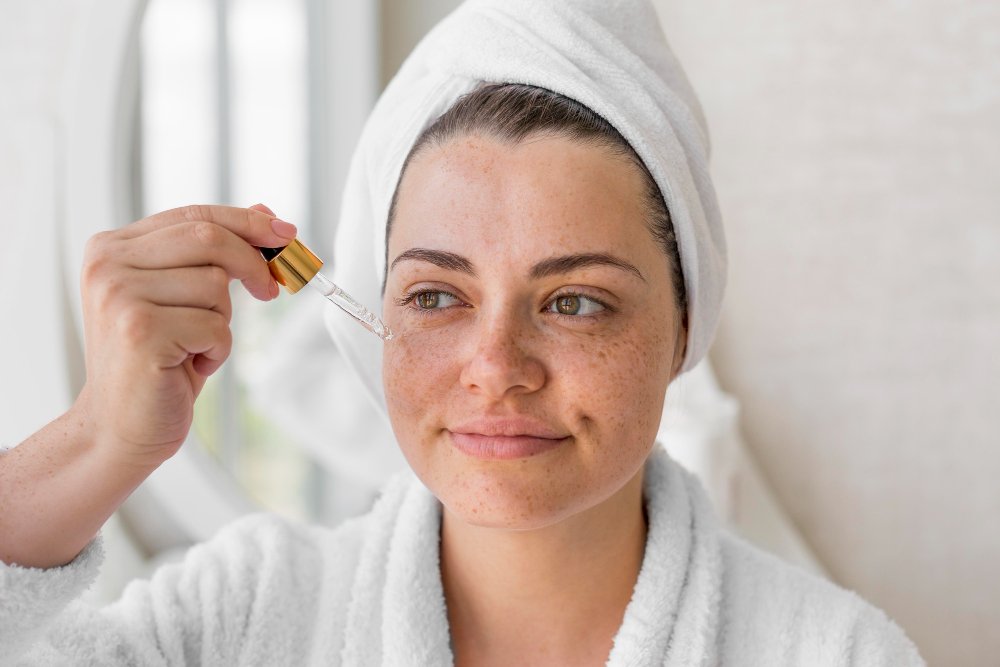
Its connection with skin pigmentation has attracted attention because glutathione appears to influence melanin production through more than one pathway. In particular, it has been studied for its potential effect on the type and amount of melanin produced by melanocytes, the cells responsible for making melanin.
02
WHAT STUDIES SHOW
Some clinical studies have explored oral and other forms of glutathione supplementation and reported changes in measures related to skin pigmentation and overall skin lightening.
SO, CAN GLUTATHIONE HELP WITH HYPERPIGMENTATION?
?
The available evidence suggests that glutathione has potential as part of an approach to supporting a brighter, more even-looking complexion, but it should not be viewed as a quick solution for every type of pigmentation. Its role is best understood alongside consistent sun protection, appropriate skincare, and attention to the underlying causes of pigmentation.
How does glutathione work for hyperpigmentation?
The interest in glutathione for hyperpigmentation largely comes from its relationship with melanin production. Melanin exists in different forms, and the balance between them contributes to the appearance of skin color.
Glutathione has been proposed to influence the process by shifting melanin production towards lighter pheomelanin rather than darker eumelanin. It may also interact with certain enzymes involved in melanogenesis, including tyrosinase, an important enzyme in the melanin-producing pathway.
This is why glutathione has been investigated as a potential ingredient for supporting a more even-looking complexion. However, its effects should not be confused with removing pigmentation instantly. Existing dark spots or patches can take time to become less noticeable, and the response to supplementation can differ from person to person.
GLUTATHIONE & SKIN PIGMENTATION
Can glutathione help with skin pigmentation?
Glutathione is a naturally occurring antioxidant found in the body that is made up of three amino acids: cysteine, glutamic acid, and glycine. It helps protect cells from oxidative stress and is involved in several important biological processes.
01
THE CONNECTION
Its connection with skin pigmentation has attracted attention because glutathione appears to influence melanin production through more than one pathway. In particular, it has been studied for its potential effect on the type and amount of melanin produced by melanocytes, the cells responsible for making melanin.
02
WHAT STUDIES SHOW
Some clinical studies have explored oral and other forms of glutathione supplementation and reported changes in measures related to skin pigmentation and overall skin lightening.
SO, CAN GLUTATHIONE HELP WITH HYPERPIGMENTATION?
?
The available evidence suggests that glutathione has potential as part of an approach to supporting a brighter, more even-looking complexion, but it should not be viewed as a quick solution for every type of pigmentation. Its role is best understood alongside consistent sun protection, appropriate skincare, and attention to the underlying causes of pigmentation.
SUPPLEMENTS FOR SKIN HEALTH
What other supplements support skin health?
While glutathione is one of the most discussed ingredients for skin brightening, it is not the only nutrient connected with healthy-looking skin. Certain vitamins and compounds provide nutritional support for normal skin function and can complement a balanced approach to pigmentation.
01
Vitamin C
An essential nutrient that supports collagen formation and also functions as an antioxidant. It is often included in formulations designed to support skin health.
02
N-acetyl cysteine (NAC)
A source of cysteine, one of the amino acids used by the body to make glutathione. It is therefore often discussed alongside glutathione in antioxidant-focused formulations.
03
Vitamin E
Another antioxidant nutrient that helps protect cells from oxidative stress and is commonly found in skin-health supplements.
04
Zinc
An essential mineral involved in normal immune function and the maintenance of healthy skin.
KEEPING THE BIGGER PICTURE IN MIND
These nutrients serve different roles, so they should not be treated as interchangeable treatments for pigmentation. A well-formulated skin pigmentation supplement may combine complementary ingredients, but the overall diet, skincare routine, and sun protection still play an important role in maintaining an even-looking complexion.
CHOOSING A SUPPLEMENT
What to look for in a pigmentation supplement?
If you are considering a skin pigmentation supplement, the ingredient list is a good place to start, but it should not be the only thing you look at. A thoughtfully formulated supplement should clearly state what it contains and how much of each ingredient it provides.
Here are a few things worth checking:
01
Clearly stated ingredients
02
Glutathione content
03
Complementary ingredients (such as NAC, Vitamin C, or other nutrients)
04
Quality and manufacturing
05
Practical formulation
Most importantly, a supplement should be viewed as a supportive addition to your routine, not as a replacement for a balanced diet, sunscreen, or appropriate skincare.
Can supplements support an even-looking skin tone?
Skin health is influenced by more than topical products alone. A balanced diet provides the vitamins, minerals, and other nutrients the body needs for normal skin function, while targeted supplements can help complement nutritional intake when appropriate. When it comes to pigmentation, supplements containing ingredients such as glutathione and other antioxidant nutrients are often considered for their potential to support a brighter, more even-looking complexion. However, they should not be expected to erase pigmentation or change your natural skin color.
Consistency matters too. Supplements work as part of an overall routine rather than as an overnight solution. Adequate nutrients, daily sun protection, and skincare suited to your skin's needs can all contribute to maintaining a more even-looking skin tone. For anyone considering supplements for pigmentation, the goal should be supporting skin health and a healthy-looking complexion—not trying to eliminate the skin's natural pigment.
How to Add Glutathione to Your Daily Routine
If you are considering a glutathione supplement as part of your skin-health routine, the formulation is worth paying attention to. Ingredients that complement glutathione can provide broader nutritional and antioxidant support.
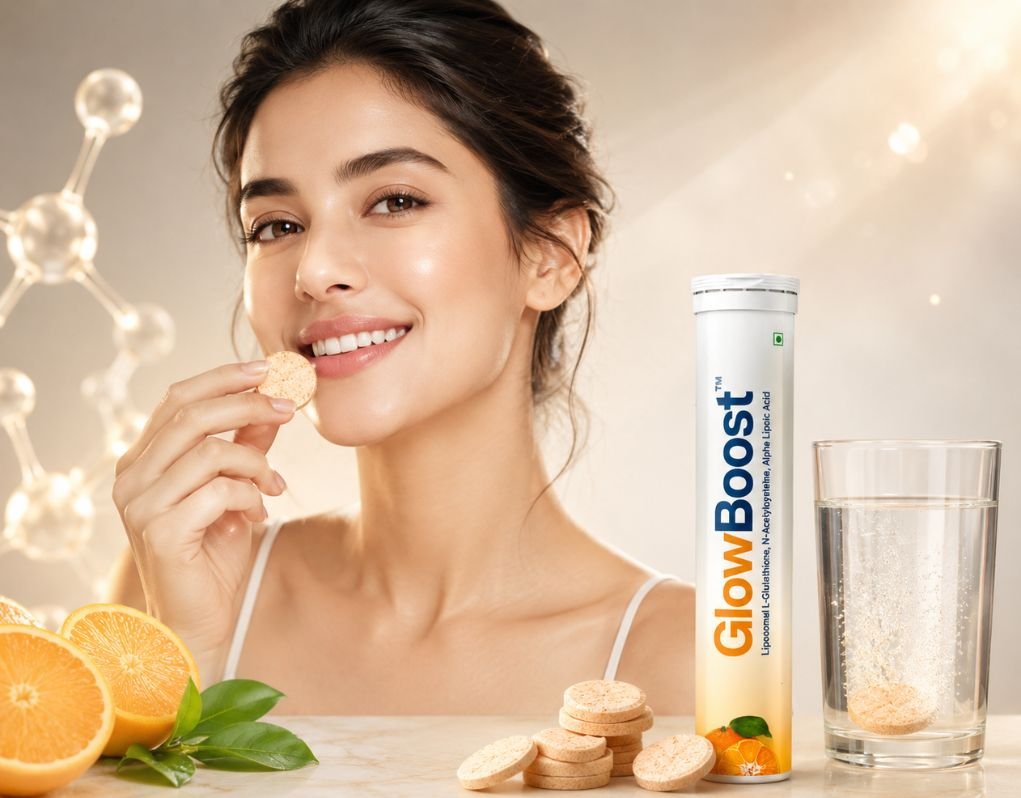
GlowBoost Liposomal Glutathione Eescent Tablets combine glutathione with Vitamin C, N-acetyl cysteine (NAC), and astaxanthin. The effervescent format makes them simple to include in a daily routine—just dissolve one tablet in water and enjoy.
When it comes to pigmentation, glutathione is mainly being studied for its potential effect on melanin production.
Its antioxidant properties and its role in the body’s natural processes have made it an ingredient of interest for people looking to support a brighter, more even-looking complexion. This is also why glutathione is often included in skin-health supplements, particularly in formulations that combine it with other antioxidant nutrients.
Final thoughts
Pigmentation and hyperpigmentation can have several underlying triggers, so there is no single approach that works for everyone. While skincare and sun protection remain important, nutrition can also be part of a well-rounded skin-health routine. Glutathione has gained attention for its potential connection with melanin production and skin brightening, making it an interesting ingredient to consider when exploring supplements for pigmentation. With consistent use and realistic expectations, a thoughtfully formulated glutathione supplement can complement the habits that support a healthy, more even-looking complexion.
FAQs
1Can glutathione help with hyperpigmentation?
2Is glutathione a good supplement for pigmentation?
Glutathione is one of the ingredients studied in relation to skin pigmentation. Its suitability can depend on individual needs, the formulation used, and the underlying cause of pigmentation.
3How long does it take for a glutathione supplement to show results?
Results can vary between individuals and depend on factors such as the formulation, consistency, and existing skin concerns. Glutathione should not be viewed as an overnight solution.
4What should I look for in a skin pigmentation supplement?
Look for clearly listed ingredients and qualities, a transparent formulation, appropriate serving guidance, and a reputable manufacturer. If glutathione is the primary ingredient you are seeking, check its form and amount per serving.
5Is hyperpigmentation the same as pigmentation?
No. Pigmentation is a broader term referring to skin coloration, while hyperpigmentation specifically describes areas that become darker than the surrounding skin.
6How long does liposomal glutathione take to work?
There is no single timeline that applies to everyone. Individual experiences can vary depending on factors such as the formulation, routine, and overall It's best to follow the
recommended usage consistently rather than expecting immediate changes.